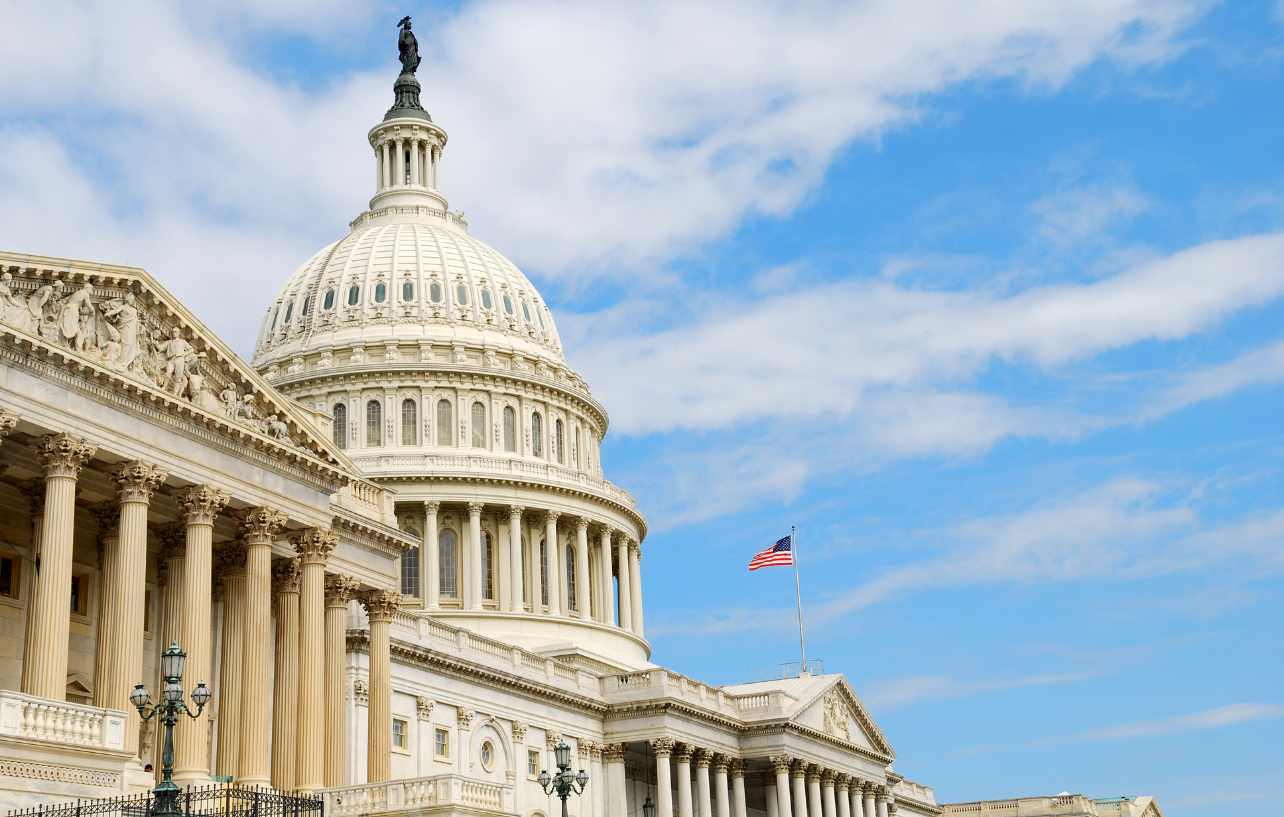
We’ve all watched the frustrating gridlock in Washington and wondered: why can’t these people just work together? But what if the conflict we see isn’t just about policy disagreements—what if it’s rooted in fundamentally different strengths that each side brings to the table?
The Strengths Behind Political Perspectives
When I look at the core motivations driving different political philosophies, I see something fascinating: they often reflect different CliftonStrengths® themes showing up in how people approach governance.
Conservative/Republican tendencies often align with strengths like:
- Responsibility – “I own my outcomes and expect others to own theirs”
- Self-Assurance – Confidence in one’s own judgment and path forward
- Achiever – Drive to succeed through personal effort and initiative
- Competition – Measuring success against standards and others
- Discipline – Valuing structure, rules, and predictability
Progressive/Democratic tendencies often align with strengths like:
- Empathy – Feeling what others feel and being moved to help
- Includer – Ensuring no one is left on the outside
- Developer – Seeing potential in others and helping them grow
- Connectedness – Believing we’re all linked and responsible for each other
- Restorative – Identifying problems and working to solve them
The Conflict Zone: When Strengths Clash
Here’s what CliftonStrengths teaches us: every strength, when overused or misunderstood, can create blind spots. And when people with different dominant strengths interact, conflict is almost inevitable—unless they understand what’s happening.
Someone high in Responsibility might see someone high in Empathy as enabling dependency. Meanwhile, the Empathy person might see the Responsibility person as lacking compassion.
Neither is right or wrong—they’re just operating from different strengths.
The Missing Piece: Strengths-Based Dialogue
What if our political leaders understood this framework? Instead of assuming the other side has bad intentions, they could recognize:
- Both perspectives solve real problems – Individual responsibility prevents government overreach and inefficiency; collective care prevents people from falling through the cracks.
- Both perspectives have blind spots – Pure self-reliance ignores systemic barriers; pure collective support can reduce personal agency.
- We need both – The best solutions often come from asking: “How can we design policies that honor both personal responsibility AND collective care?”
Practical Applications
Imagine if congressional committees started with a strengths assessment:
- A Responsibility Republican and an Empathy Democrat could co-author legislation on workforce development—combining incentives for personal initiative with support for those facing genuine barriers.
- Someone with Strategic strengths could help both sides see multiple paths forward, rather than treating every issue as a binary choice.
- Leaders with Arranger strengths could help orchestrate compromises that honor everyone’s contributions.
The Bottom Line
Our political conflict isn’t just about ideology—it’s about different strengths trying to solve the same problems in different ways. When we start from “they’re wrong” or “they don’t care,” we’re stuck. When we start from “they see something I don’t because they have different strengths,” we open up possibilities.
Maybe the question isn’t “How do we get them to see it our way?” but rather “How do we build solutions that leverage both of our strengths?”
What if the greatest strength of American democracy isn’t that one side wins—but that we force different strengths to work together until we find something better than either side could build alone?





0 Comments